The Difference Between British and Scandinavian Christmas Decor (and How to Blend Them)
British Christmas decorating is generous. It smells of oranges and cloves, it involves at least one box of decorations nobody is allowed to throw away, and it usually ends with more tinsel than anyone planned. Scandinavian decorating is quieter: pale wood, wool, candlelight and one paper star in the window. Neither is better. They simply answer different questions about how a home should feel in December.
The good news is that the two mix beautifully, particularly in British houses and flats where winter light is scarce and rooms are often smaller than the ones in the magazines. Here is what really separates them, and how to combine them without ending up with a muddle.
Two Traditions, Two Moods
Think of British Christmas decor as layered and sentimental. It is built up over years rather than bought in one afternoon: a bauble from a first holiday, a wooden angel that has lost a wing, a length of tartan ribbon kept from a previous tree. Colour is rich and warm, pattern sits next to pattern, and the eye is kept busy. The effect is welcoming — though it can tip into heavy if nothing is given room to breathe.
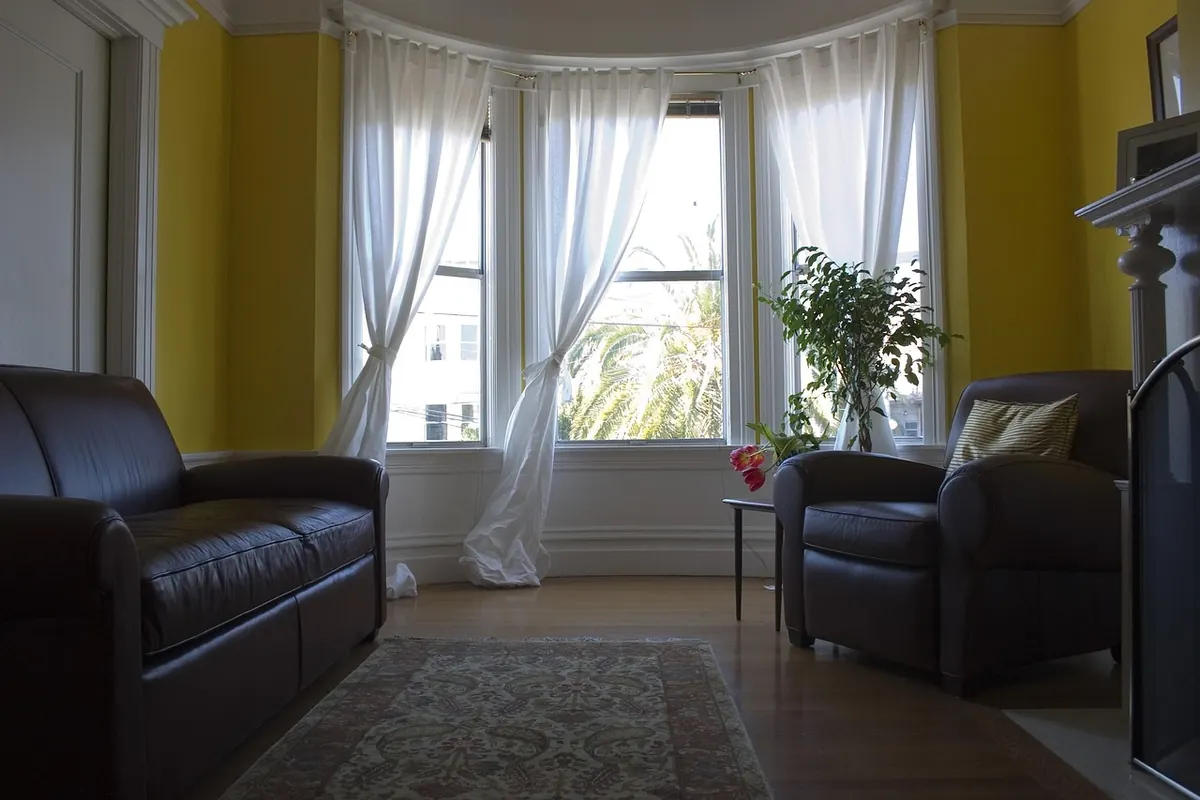
Scandinavian decorating works by subtraction. Instead of adding, it removes, then lets light, texture and a handful of well-made objects do the rest. Colour is mostly neutral, with one warm note repeated. The room reads calm rather than cold, because wool, wood and candlelight carry the warmth.
British Style: Colour, Memory and Abundance
Walk into a traditionally decorated British sitting room in December and you will recognise the signatures. A real spruce or fir, ideally a little too wide for the corner. Warm white fairy lights rather than bright white. Deep green garlands along the mantelpiece, with berries, dried orange slices and ribbon pushed in among the branches. Tartan. Pillar-box red. A wreath on the front door. Holly, ivy and mistletoe still turn up in older homes, and Christmas cards are strung on ribbon across a chimney breast or stood in a long row on the sideboard.
Crackers wait beside the plates. Brass candlesticks come out of the cupboard. Paper chains are allowed.
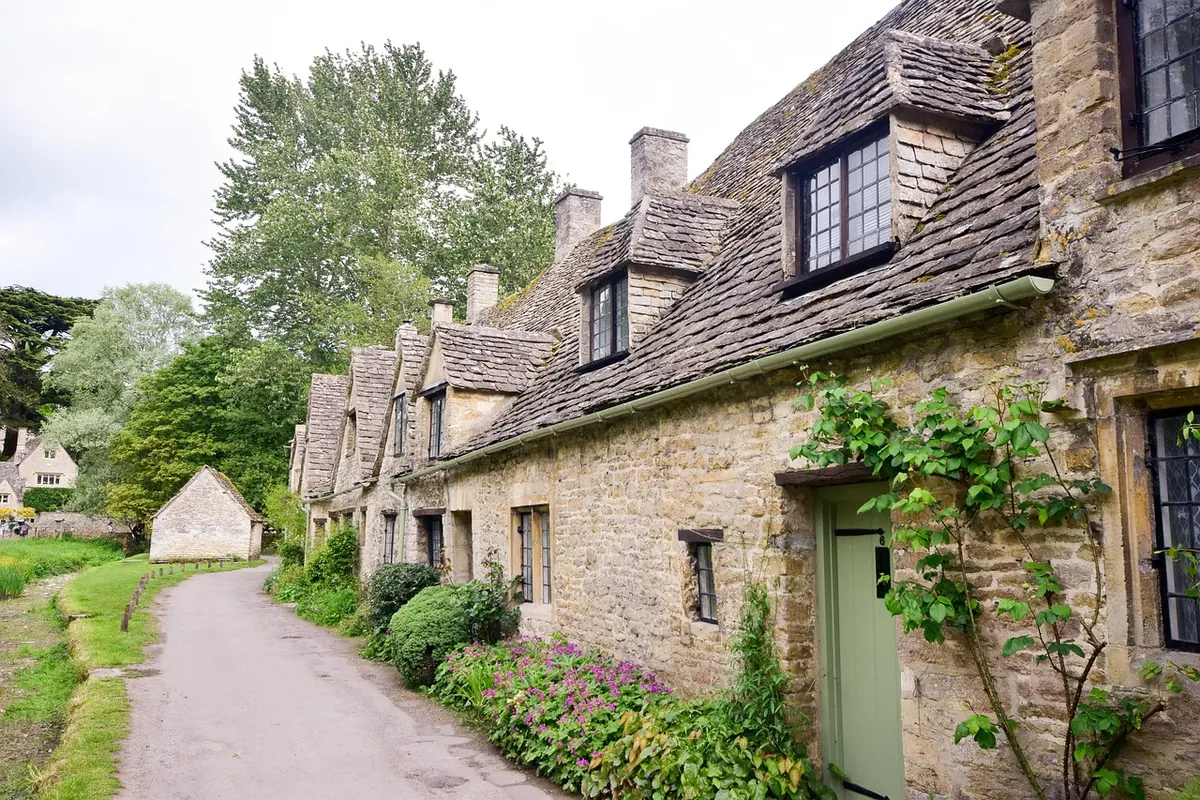
Much of the appeal is that nothing matches perfectly. The style leans on memory as much as design, and it looks especially good in rooms with some age to them — dark beams, deep skirting boards, a fireplace to dress. Its risk is visual noise: when every surface is covered, the eye has nowhere to rest.
Scandinavian Style: Light, Texture and Restraint
Scandinavian Christmas decorating does more with less. Expect birch, ash and pale pine, linen, wool, felt, sheepskin and unbleached paper. Ornaments tend to be handmade or simple: woven straw stars, folded heart baskets, plain wooden shapes, pinecones wired to a willow wreath. Hyacinths and amaryllis sit in plain pots on a windowsill. Foraged branches go into a tall vase and are left mostly alone.
Colour arrives as one or two accents — a red ribbon, a rust cushion, a deep blue runner — rather than a whole scheme. Candles do a great deal of the work, and every light is warm. Paper stars hang in windows to catch the early dark. It is a style that suits modern flats, rented rooms and small spaces, because it needs empty surface as much as it needs objects.
How to Blend Them Without a Muddle
Decide which style leads before you buy anything. Mixing works when one tradition sets the background and the other supplies the accents; it fails when both compete at equal volume in the same room. The easiest combination for a British home is a Scandinavian base with British warmth layered over it: neutral walls, natural textures, restrained greenery — then tartan ribbon, a red candle, a bowl of ornaments from the loft and a few keepsakes that mean something.
- Choose three colours and hold them. Off-white, forest green and brass works. So does oatmeal, red and natural wood.
- Keep the light warm. Warm white bulbs suit both traditions; cool white makes even good greenery look clinical.
- Layer texture before pattern. Wool, linen, wood, paper and fresh foliage will carry a mostly neutral scheme.
- Repeat one accent three times. The same red on the tree, the table and the front door reads as deliberate.
- Leave one surface empty in each room. Negative space is what makes the rest look considered.
Where Each Style Works Best at Home
The tree
A Scandinavian tree is sparsely dressed: warm lights, ribbon, straw stars and a few large ornaments. A British tree is fuller and more personal. Blend by keeping the lights and ribbon simple, then hanging the sentimental pieces together in one area rather than spreading them evenly.
The table
Start with a plain linen runner and simple candles, then add the British bits: crackers, a tartan ribbon, a low centrepiece of greenery and berries. Keep it low so nobody has to peer round it, and let the candlelight do the flattering.
Fireplace and mantelpiece
This is where British abundance earns its keep. A generous garland with berries and dried orange, two brass candlesticks, stockings on the hooks. Keep the rest of the room quieter to balance it.
Hallway, doors and windows
An evergreen wreath and a warm outdoor light at the door. Inside, one paper star or a small cluster of candles in each window. Both traditions agree here: the entrance should look welcoming before anyone has taken their coat off.
Mistakes That Flatten the Effect
- Mixing cool white and warm white lights in the same room. Choose warm and stay with it.
- Putting two reds together — crimson beside pillar-box — with no neutral between them.
- Treating tinsel as a small accent. It reads as a full style choice, so either commit or leave it in the box.
- Filling every surface, including the kitchen and hallway. Those rooms can stay almost plain.
- Buying everything in one afternoon. Rooms assembled over two or three years

DIY Christmas Table Centrepiece Ideas Using Foraged Greenery
Gather ivy, holly, conifer and moss on a winter walk, then turn them into a low candle ring, a leafy...
A Checklist for Buying Second-Hand Furniture Online in the UK
What to measure, ask and inspect before buying pre-loved furniture online — plus the red flags that mean...
About Us