What Is Biophilic Design and How Can You Use It in a Small UK Flat?
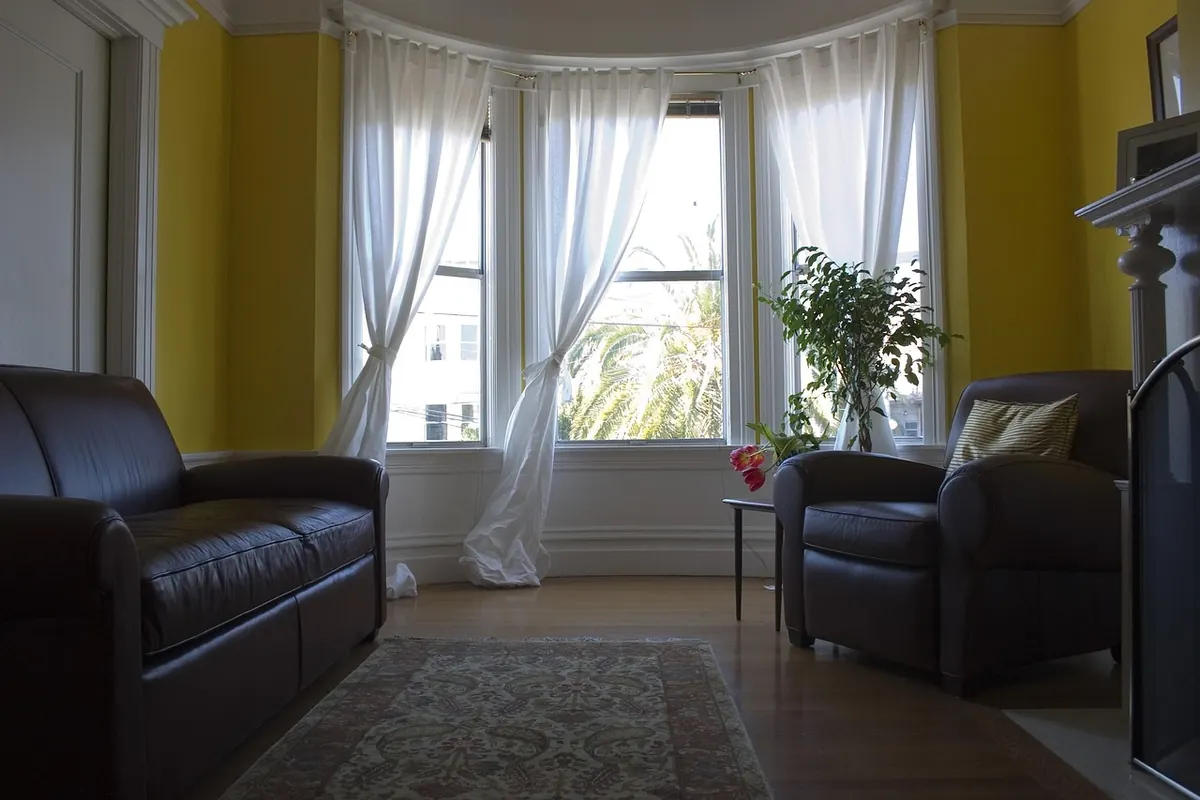
You know the feeling. You walk into a room with a wide window, a bit of greenery and daylight falling across a wooden table, and your shoulders drop a little. Biophilic design is simply the practice of creating that effect on purpose rather than by accident. It is not a look you buy in one shopping trip, and it does not need a garden, a conservatory or a building project. It comes down to light, materials, plants and views — all of which can be sorted in a rented one-bedroom flat above a shop.
What biophilic design actually means
The idea behind it is that people tend to feel calmer and more settled around the elements they evolved with: daylight, greenery, wood, water and open views. In an interior, that usually shows up in five overlapping ways:
- Natural light, and the way it shifts through the day
- Living things — houseplants, herbs on a sill, a bowl of lemons
- Natural materials and textures: wood, wool, linen, clay, stone, jute
- Softer, organic shapes and patterns rather than hard grids and gloss
- A connection to whatever is outside the window, even if it is one street tree
You do not need all five. Two or three, done thoughtfully, change how a room feels far more than a full makeover carried out half-heartedly.
Why it suits small UK flats so well
Compact flats tend to have one main aspect, limited light and rooms doing several jobs at once. That is actually an advantage here. In a small space, a single plant on a windowsill registers across the whole room in a way it never would in a large open-plan house. Fewer surfaces also means fewer decisions, and one good material choice reads clearly rather than getting lost.
Older housing stock helps too. Victorian conversions with high ceilings and sash windows, or 1930s mansion blocks with deep window reveals, give you ledges everywhere: sills, picture rails, the top of a wardrobe, the gap above kitchen cabinets. That is where small-space greenery lives, and it costs you no floor area at all.
Start with light, because everything else depends on it
Before you buy anything, spend a Saturday noticing where the light actually lands — at 9am, at 1pm, at 5pm. Then work with what you find.
- Move furniture that blocks a window, and keep radiators clear so warm air circulates.
- Clean the glass properly, inside and out. It sounds obvious; it makes a genuine difference.
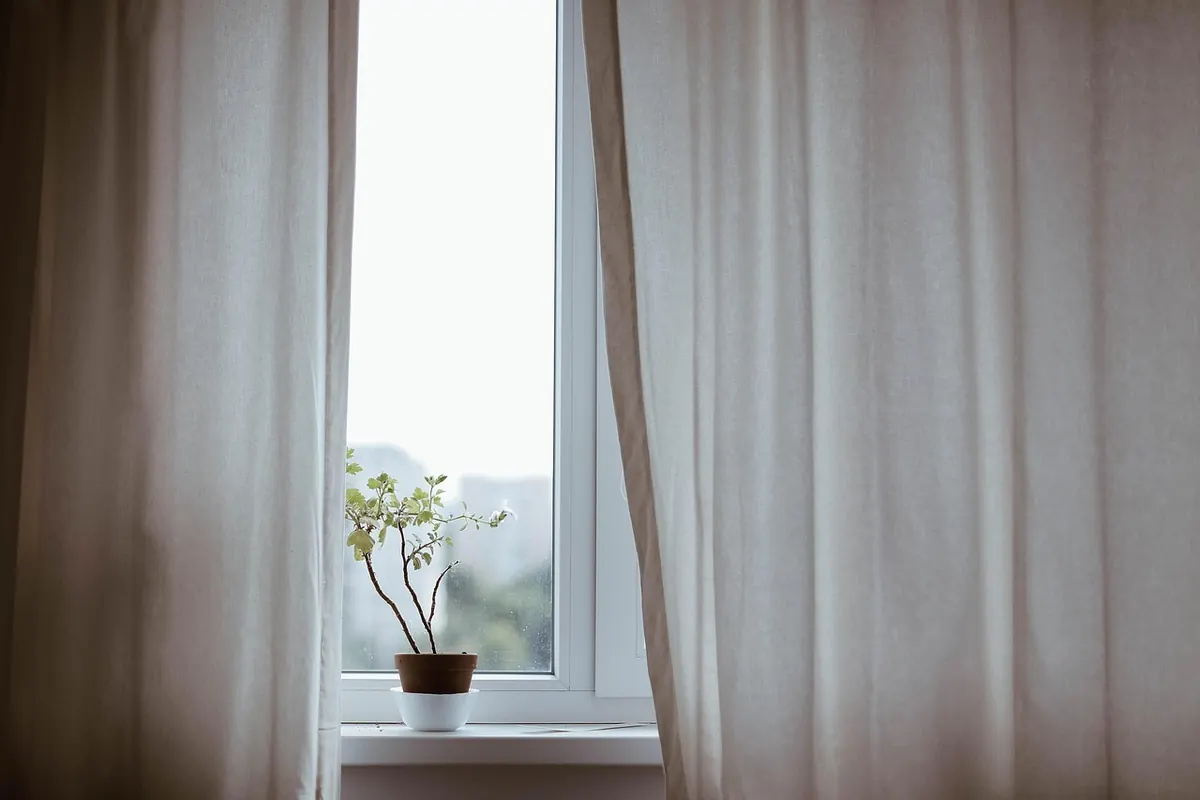
- Swap a heavy lined curtain for a linen or voile layer, with a blind you can drop at night. In a rental, a tension rod needs no drilling.
- Keep sills free of clutter so light bounces around the room rather than being absorbed.
- Hang a mirror opposite a window rather than beside it, so it reflects the view and the daylight instead of just the frame.
If your only window faces a wall
Angle a slim mirror slightly upwards to catch sky, keep tall furniture away from the window wall, and choose plants that tolerate shade rather than fighting the conditions. A pale ceiling and walls in a north-facing room will do more for you than any lamp.
Pick plants that suit the light you really have
Most houseplants fail because of enthusiasm, not neglect. Match the plant to the window and you will spend far less time rescuing things.
- Snake plant — copes with low light and dry air; water sparingly, more in summer, hardly at all in winter
- ZZ plant — happy in shade, good for hallways and dim corners
- Devil's ivy — trails beautifully from a shelf and roots easily in a glass of water
- Spider plant — forgiving, and produces babies you can pass on
- Peace lily — visibly droops when thirsty, which makes it a useful teacher
- Rubber plant — needs a bright spot away from draughts and radiators
- Boston fern — ideal for a bathroom, where it gets the humidity it likes
- Herbs — basil, mint and thyme on a sunny sill from spring onwards, used as you cook
Group plants together so they share humidity, and stand pots on saucers with a few pebbles to lift them clear of sitting water. Wipe the leaves now and then; dusty leaves cannot photosynthesise properly.
Renting, and keeping it simple
Free-standing plant stands, tall pots on the floor and hanging planters on a ceiling hook that was already there are all landlord-friendly. If you want a window box or something fixed to an external wall or railing, check your tenancy agreement or lease first — on a leasehold flat, external alterations often need the freeholder's consent.
Materials, texture and colour that read as "outside"
Natural materials do a lot of quiet work. Wood grain, wool, jute, cork, rattan, linen, limestone, terracotta and unglazed stoneware all carry the slight irregularity that manufactured finishes lack. You do not need much: one or two honest materials per room, rather than a rustic showroom effect.
For colour, borrow from the view. Soft greens — sage, moss, olive — sit well with oatmeal, sand, clay and warm brown, and a deeper charcoal or forest tone will ground a light room. A workable rule for a small flat is three neutrals plus one green. With pattern, restraint pays: a single large leafy print against plain walls feels considered, whereas three botanical prints start to feel like wallpaper samples.
Views, sound and scent
Keep at least one window reasonably clear so you have a view of sky, a tree or a roofline. That line of sight is doing more for the room than another shelf of ornaments. Sound matters too — an open window in summer, or a small fountain on a balcony if you have one. And scent is the quickest route to the outdoors indoors: a pot of rosemary by the sink, eucalyptus hung in the shower, or citrus peel left on a warm radiator for an afternoon.
A practical plan for this weekend
None of this needs a budget or a free weekend. Try this sequence.
- Audit the light in each room, and note which windows are bright, medium or dim.
- Clear the sills and wash the glass.
- Buy two plants suited to your dimmest room, and one herb for the brightest sill.
- Move one natural material in — a jute rug, a wooden stool, a linen cushion cover.
- Reposition one mirror so it faces a window.
- Set a five-minute Sunday habit: water, turn the plants, wipe the leaves.
Start with light, add one living thing, and build from there. The aim is not a jungle in a studio flat. It is a room that feels connected to something alive and changing — which, in a small space with a single window, is more than enough.
Photo: Pexels / Pixabay

DIY Christmas Table Centrepiece Ideas Using Foraged Greenery
Gather ivy, holly, conifer and moss on a winter walk, then turn them into a low candle ring, a leafy...

A Checklist for Buying Second-Hand Furniture Online in the UK
What to measure, ask and inspect before buying pre-loved furniture online — plus the red flags that mean...
About Us